
Can Red Wine Work with Spicy Food? Why Dolcetto Might Surprise You.
- 4 days ago
- 5 min read
Updated: 5 hours ago

Most advice about pairing wine with spicy food points in the same direction: choose an aromatic white, a sparkling wine or perhaps something with a little sweetness.
There are good reasons for this. Chilli can make the alcohol in wine feel warmer and tannins more severe. A cool glass of Riesling or Gewürztraminer can soften that experience beautifully.
But white wine is not the only possibility. Pairing red wine with spicy food can seem counter-intuitive, but the right style of red can work surprisingly well. A fruit-forward Dolcetto, particularly one with moderate alcohol and supple tannins, can be an unexpectedly enjoyable companion to certain spicy dishes. It won’t suit every kind of heat, but with the right dish, Dolcetto can be a genuinely surprising match.
We began thinking about this more seriously after a recent conversation at a wine festival in Cambridge.
Three chefs, each connected to a different Asian culinary tradition, stopped at our stand and tasted our Piemonte Dolcetto. Separately, all three began talking about serving it with spice.
It surprised us.
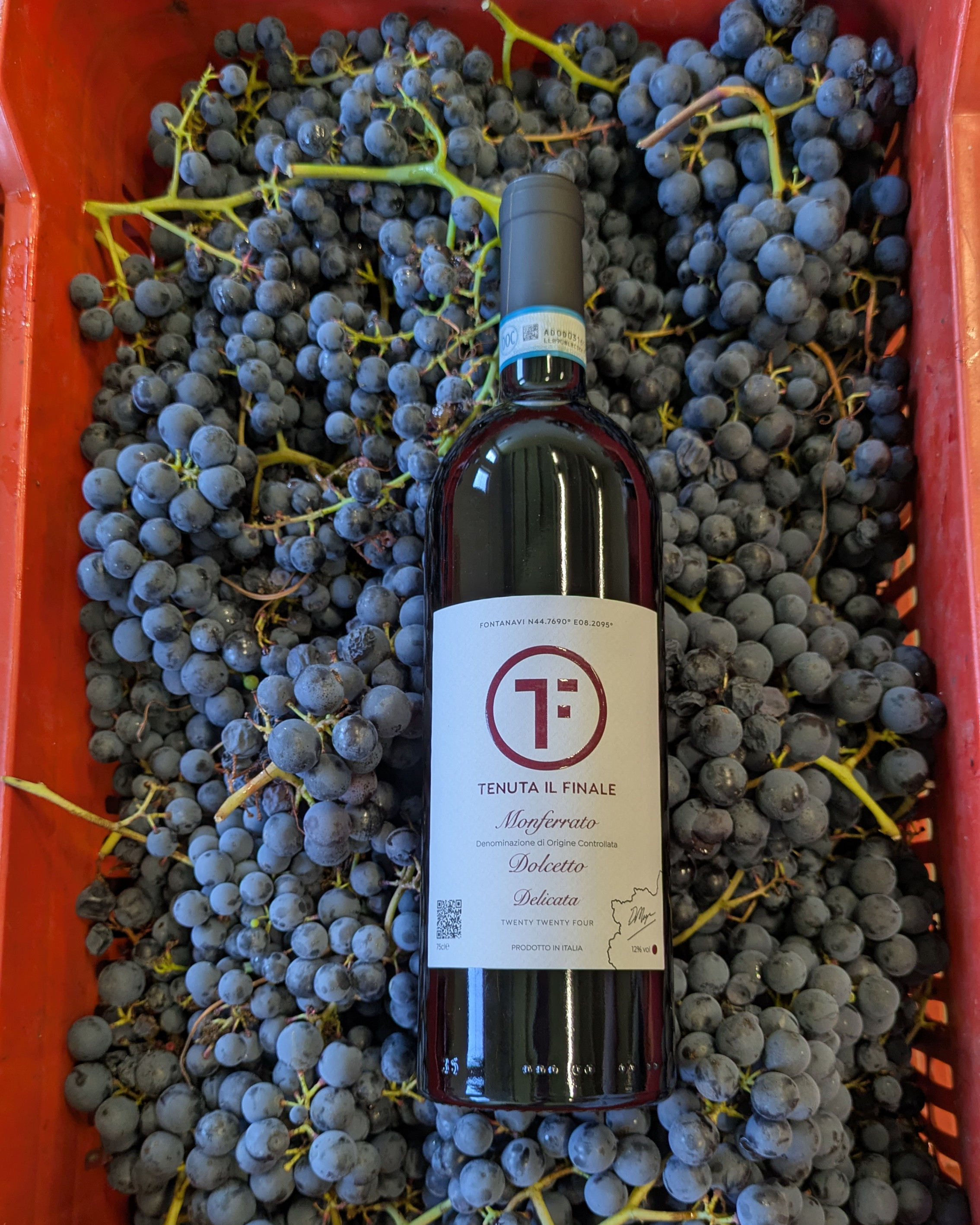
Here in Piemonte, Dolcetto is part of familiar, everyday life. We are more accustomed to seeing it beside salumi, pasta, roasted meats and the dishes people have cooked here for generations. Chilli, gochujang and aromatic curries do not usually enter the conversation.
Those three encounters made us curious. What were the chefs noticing in the glass? And could this familiar Piemonte wine really find a natural place at such different tables?
Why spicy food can be difficult for red wine
“Spicy food” is an enormous category.
The fresh heat of ginger is very different from the burn of chilli. The numbing sensation of Sichuan pepper is different again. Then there are warming spices such as cinnamon, clove and cumin, as well as deeply savoury ingredients such as miso, soy sauce and fermented chilli pastes.
There can never be one wine that works with all of them.
Chilli presents a particular difficulty because it changes the way we experience wine. Alcohol can make the heat feel more intense, while firm tannins may seem drier, rougher or more bitter. A powerful red that tastes beautifully balanced on its own can suddenly feel rather exhausting alongside a fiery dish.
This is why people often avoid red wine altogether.
But red wines are not all built in the same way—and neither are Dolcetti.
What makes the right Dolcetto interesting
Dolcetto is sometimes described as a soft and simple wine. The reality is more interesting.
The grape naturally has relatively low acidity and can produce a meaningful amount of tannin. How those tannins feel in the finished wine depends greatly on the vineyard, the vintage and the choices made in the cellar.
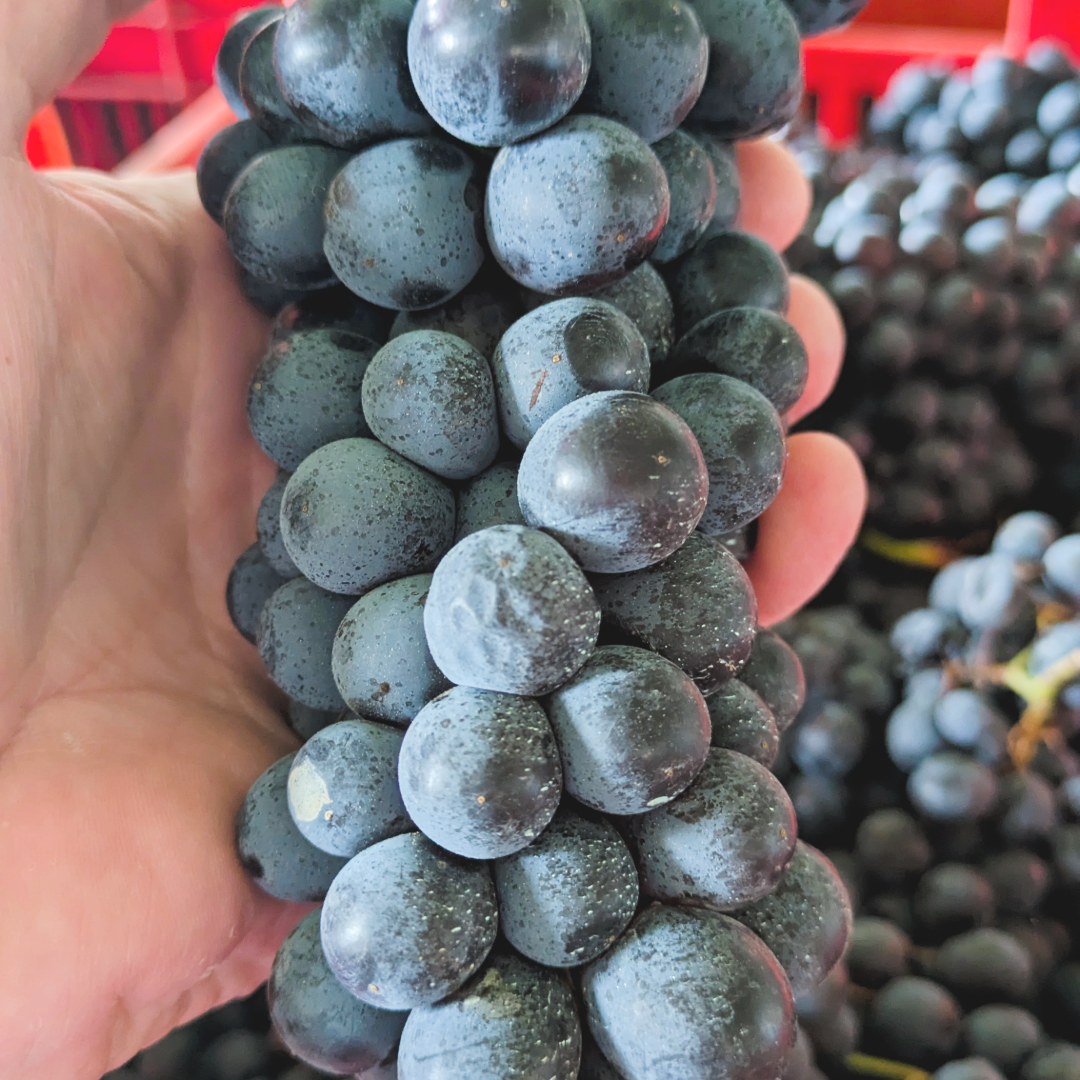
When Dolcetto is made in a fresh, fruit-led style, with carefully managed extraction and without heavy oak influence, it can feel generous and approachable. Its aromas often recall dark cherries, plums, blackberries and, sometimes, violets or almonds.
That fruit does not make the wine sweet. Most Dolcetto is dry, so it will not calm chilli in the same way that residual sugar can. Instead, the ripe fruit character can create a pleasing contrast with smoky, savoury or gently sweet flavours in the food. This is an important distinction. Dolcetto does not extinguish heat. A well-chosen one can sit comfortably beside it.

It depends on the dish
The level of heat matters, but it is only part of the picture.
We would be more inclined to try Dolcetto with a dish that combines spice with richness, sweetness, smoke or char than with something whose only impression is searing heat.
A gochujang glaze, for example, can bring together chilli, fermentation, sweetness and a deep savoury character. A young, fruit-driven Dolcetto may echo the sweetness of the glaze while holding its own beside grilled meat.
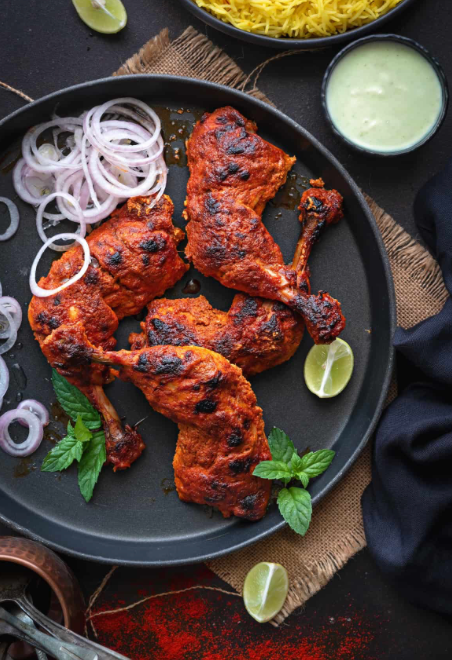
The charred edges of tandoori chicken offer another interesting possibility. Here, the wine is not simply meeting chilli. It is also responding to smoke, yoghurt, meat and a complex mixture of aromatic spices.
Dishes containing slow-cooked lamb or pork can work for similar reasons. The protein and richness of the meat may make the wine’s tannins feel gentler, while Dolcetto’s dark fruit can complement deeply flavoured sauces.
We would begin experimenting with dishes such as:
Tandoori or grilled chicken with moderate chilli;
Bulgogi or Korean barbecue with a spicy-sweet glaze;
Yakitori with tare and a touch of chilli;
Lamb cooked with warming spices;
Chilli paneer that balances heat with richness;
Noodles with sesame, mushrooms and a moderate amount of chilli oil;
Roasted aubergine with a savoury fermented sauce.
These are invitations to experiment, not rules. Every recipe is different, just as every Dolcetto is different.
When we would choose something else
Honesty is part of good pairing advice: Dolcetto will not always work.
With an extremely hot dish, the combination of chilli, alcohol and tannin may become tiring. In that situation, a lower-alcohol white with a little sweetness could be far more refreshing.
We would also be cautious with very delicate dishes. A red wine may overwhelm subtle flavours even if the dish contains chilli. Equally, a particularly concentrated, tannic or oak-influenced Dolcetto could dominate food that needs a lighter touch.
Personal preference matters too. Some people enjoy the way a dry red makes spice feel more vivid. Others want their drink to calm the heat. Neither response is wrong.
This is one reason wine pairing is more enjoyable when it is treated as a conversation rather than a set of instructions.
A few ways to make the pairing work

If you would like to try Dolcetto with spicy food, the style and serving temperature can make a considerable difference.
Look for a Dolcetto that is young, fruit-forward and not dominated by oak. Supple tannins and moderate alcohol are more important here than power or concentration.
Serve it slightly cool—not cold, but cooler than a traditionally warm room. Around 14–16°C is a useful starting point. A slight chill can make the wine feel fresher, although serving it too cold may make the tannins appear firmer.
Begin with moderate heat. It is easier to understand the relationship between the food and wine when the chilli is not overwhelming
everything else.
Most importantly, pay attention to the whole dish. Is it smoky, creamy, fermented, sweet, citrusy or rich? Those qualities may tell you more about the right wine than the word “spicy” alone.
Seeing a familiar wine differently
What stayed with us after Cambridge was not the idea that Dolcetto is somehow the definitive wine for spicy food. It was the pleasure of seeing a wine we know well through someone else’s eyes.
That is one of the loveliest things about wine. A bottle may come from a particular hillside and carry the character of one place, but it does not have to remain at one table. Once opened, it becomes part of other meals, other traditions and other conversations.

The chefs we met made a connection we had not fully considered. Their comments encouraged us to be less certain about the old boundaries between particular wines and particular foods—and more curious about what might happen when those boundaries are gently crossed.
So, can red wine work with spicy food?
Yes, it can. The wine should be chosen thoughtfully, the level of heat matters, and there will always be dishes better suited to something else. But a fresh, fruit-led Dolcetto can bring something warm, generous and genuinely surprising to the table.
If you try it, begin with a dish that combines moderate chilli with smoke, richness or a little sweetness. Pour the Dolcetto slightly cool, taste them together and notice what changes.
You may love the combination. You may decide you prefer the Riesling after all.
Either way, you will have learned something—and opened a new conversation around the table.


Comments